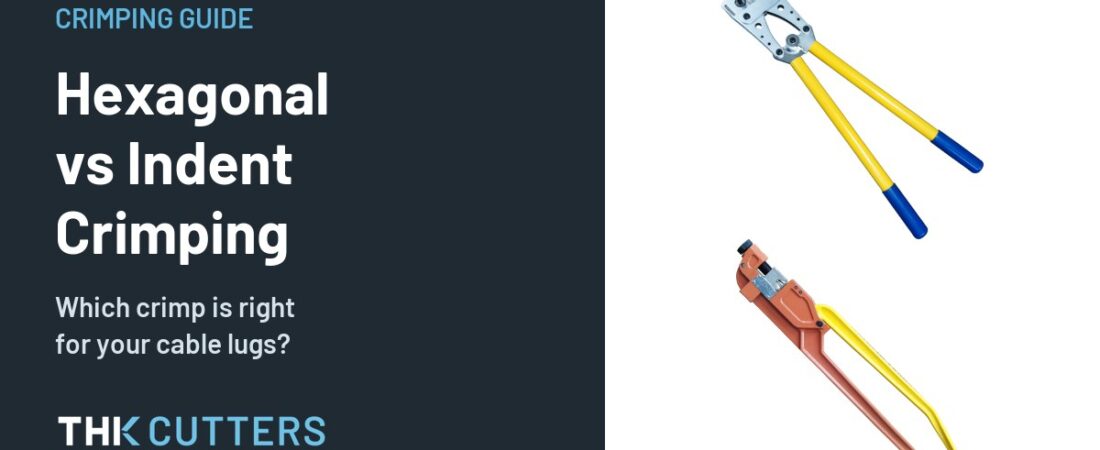
Walk into any electrical wholesaler and you will find two main types of hand crimping tools for terminals and cable lugs: indent (point) crimpers and hexagonal crimpers. Both join a conductor to a terminal without solder — but they compress the barrel in very different ways, and the right choice depends on the terminal, the cable size and how critical the connection is.
1. What is indent crimping?
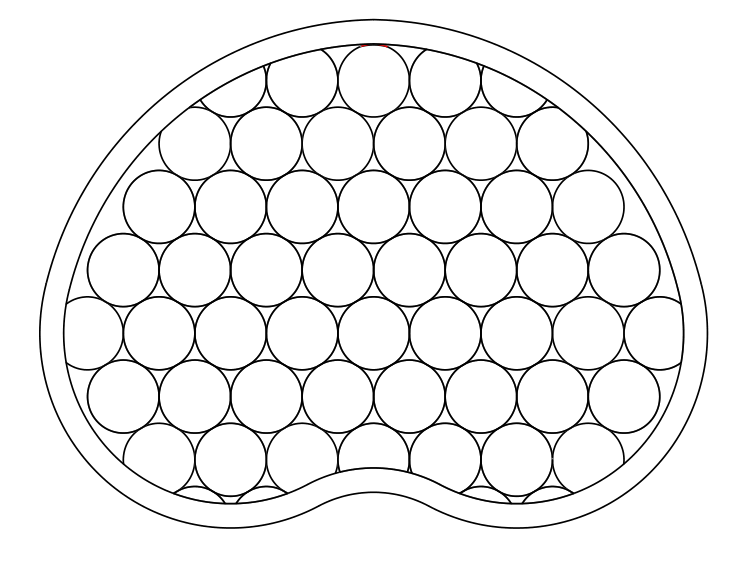
An indent crimp (also called a point or dimple crimp) uses a pointed indenter that presses one deep indentation into the terminal barrel against a supporting nest. The indentation forces the barrel wall into the strands and locks the conductor in place.
- Compression is concentrated at one point.
- One tool head can often handle several sizes with different nest positions.
- Common for small and medium terminals — ring, fork and pin terminals, and many copper tube terminals in JIS sizes.
2. What is hexagonal crimping?
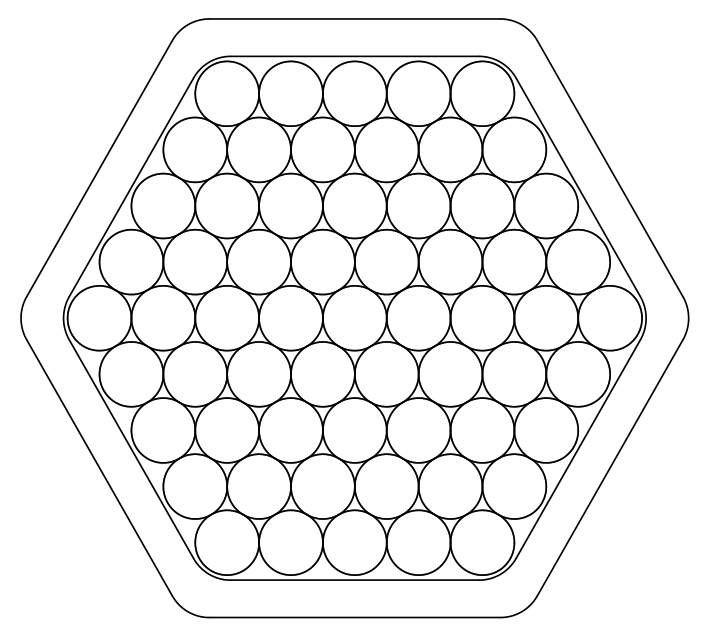
A hexagonal crimp uses a pair of dies that close around the barrel and press it into a six-sided shape. The conductor is compressed evenly from all sides.
- Compression is distributed evenly around the barrel.
- Larger contact area between strands and terminal, with less deformation at a single point.
- Common for tubular cable lugs and connectors, especially larger sizes where a low-resistance, long-term connection matters. Many metric compression lugs are designed specifically for hexagonal crimping.
3. Side-by-side comparison
| Indent (point) crimp | Hexagonal crimp | |
|---|---|---|
| Crimp shape | One deep indentation | Even six-sided shape |
| Compression | Concentrated at one point | Distributed around the barrel |
| Contact area | Smaller | Larger |
| Typical terminals | Small to medium terminals, copper tube terminals | Tubular cable lugs and connectors, especially larger sizes |
| Barrel appearance | Visible indentation on one side | Smooth hexagon, easy to inspect |
| Tool range | One head can cover several sizes | Die positions matched to each size |
| Best when | Everyday terminal work, mixed small sizes | Critical or high-current connections, cable lugs |
4. Which one should you choose?
- Follow the terminal manufacturer. Many lugs and terminals specify the crimp type and tool to use — this is always the first rule.
- Small terminals (roughly up to 16 mm² / AWG 6): an indent crimper is practical, fast and economical.
- Cable lugs for power cables: hexagonal crimping gives a more even compression and larger contact area, and is the safer choice where reliability is critical.
- Workshops and distributors usually stock both: indent tools for everyday terminals and hexagonal tools for cable lugs.
5. How to make — and check — a good crimp
- Use the die or nest position that matches the terminal size (JIS, DIN or AWG — see our terminal size chart).
- Strip the cable to the depth of the terminal barrel and insert the conductor fully, with no strands outside the barrel.
- Close the tool completely; for long lug barrels, follow the lug manufacturer’s instructions on the number and position of crimps.
- Inspect the result: the barrel should not be cracked, the crimp should be centered, and the conductor should not move when pulled firmly by hand.
6. THK indent and hexagonal crimping tools
THK Cutters manufactures both types. Every tool is marked with its JIS, DIN and AWG sizes.
| Crimp type | Terminal range | THK models |
|---|---|---|
| Indent | Small terminals, JIS 1.25–14 mm² / AWG 22–6 | VTC-02, VTC-5.5, VTC-08, VTC-14 |
| Indent | Medium terminals and lugs, JIS 5.5–80 mm² / AWG 12–3/0 | VTC-25, VTC-38, VTC-38N, VTC-60, VTC-80 |
| Indent | Large cable lugs, JIS up to 150 mm² / AWG up to 300 MCM | VTC-100, VTC-120, VTC-150 |
| Hexagonal | DIN 6–16 mm² / AWG 10–4 | VTC-25H |
| Hexagonal | DIN 6–50 mm² / AWG 10–1/0 | VTC-50H |
| Hexagonal | Cable lugs up to 120 mm² / AWG 4/0 | VTC-120H |
| Hexagonal | Cable lugs up to 150 mm² / AWG 300 MCM | VTC-150H |
Full sizes for every model are on our crimping tools page and in the product catalog (PDF).
Looking for a crimping tool supplier?
Tell us the terminal standard and size range your customers use, and whether you need indent, hexagonal or both — we will recommend the right models and send a quotation, usually within 1–2 business days. OEM and private label are available.
Related guides: Terminal Size Chart: JIS vs DIN vs AWG · How to Choose the Right Cable Cutter Size